Detoxification — commonly referred to as "detox" — is the medically supervised process of clearing substances such as alcohol, opioids, benzodiazepines, or stimulants from the body. It is typically the first and most physically demanding phase of the recovery journey, and for many substances, it should never be attempted without clinical oversight.
Understanding what detox actually involves can help reduce fear, set accurate expectations, and — most importantly — support informed decision-making for you or someone you care about.
- Detox is the medically supervised clearing of substances from the body
- It is distinct from rehabilitation — detox addresses physical dependence first
- Some substances carry serious withdrawal risks without medical supervision
- Timelines vary by substance, dosage, and individual health factors
- Luxury detox environments offer physician oversight with comfort and privacy
Detox vs. Rehabilitation — What's the Difference?
Detox and rehabilitation are not the same thing, though they are often confused. Detox addresses the body's physical dependence on a substance — it stabilizes the patient, manages withdrawal symptoms, and eliminates the substance from the system. Rehabilitation, by contrast, is the longer-term therapeutic work that addresses the behavioral, psychological, and relational dimensions of addiction.
Detox is almost always the necessary first step before rehabilitation can be effective. You cannot meaningfully address the emotional and behavioral roots of addiction while the body is still in active withdrawal.
"Detox is not recovery — it is the doorway to recovery. What happens in the weeks and months that follow is where lasting change is made."
LDO Medical Advisory Team
What Happens During Detox?
At a physician-supervised facility, the detox process typically unfolds in three phases:
- Evaluation
Upon arrival, a medical team conducts a comprehensive assessment — reviewing substance use history, current health status, co-occurring conditions, and any medications. This shapes the individualized treatment protocol.
- Stabilization
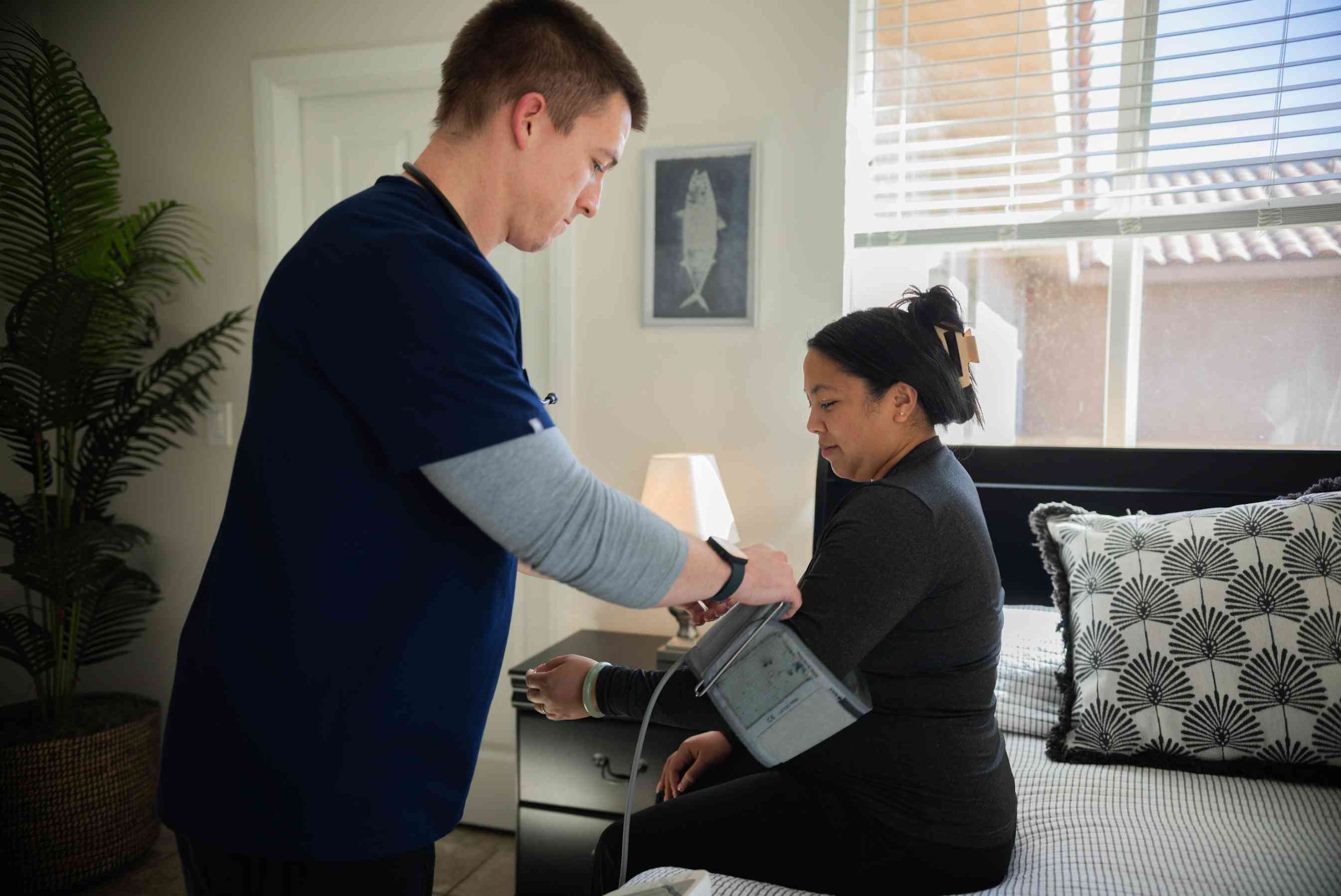
The active phase of detox — the body processes and eliminates the substance while the medical team manages withdrawal symptoms with medications, hydration, nutritional support, and around-the-clock monitoring.
- Transition Planning
As stabilization concludes, the care team works with the patient to establish a next step — whether that is residential rehabilitation, outpatient care, or another appropriate level of support.
Which Substances Require Medical Detox?
Not all substances carry equal withdrawal risk, but several categories require physician supervision to detox safely:
- Alcohol
Withdrawal can cause seizures, hallucinations, and a life-threatening condition called delirium tremens (DTs). Medical supervision is essential.
- Benzodiazepines
Xanax, Valium, Klonopin — abrupt cessation can trigger severe seizures. Tapering under physician oversight is the standard of care.
- Opioids
While rarely fatal, opioid withdrawal is intensely uncomfortable and often leads to relapse without support. Medications like Suboxone or Clonidine significantly ease symptoms.
- Stimulants
Cocaine and methamphetamine withdrawal is primarily psychological — severe depression, fatigue, and cravings — and benefits from structured clinical support.
Does Detox Have to Be Uncomfortable?
Detox timelines vary considerably depending on the substance, the duration and quantity of use, and individual physiological factors. Most medical detox programs last between 5 and 10 days, though some cases require longer. Alcohol and benzodiazepine detox often takes 7–10 days; opioid detox is typically 5–7 days.
How Long Does Detox Take?
Withdrawal discomfort is real, but modern medical detox — particularly in a luxury setting — uses evidence-based medications and supportive therapies to minimize that discomfort significantly. Sleep support, nutritional care, IV hydration, and holistic therapies such as acupuncture and massage can meaningfully reduce the physical experience of withdrawal.