Verify your Insurance619-655-3328
Home / The Detox Process

A Complete Guide to the Detox Process

A physician-informed guide to what medically supervised detox actually involves — from your first call through stabilization and beyond.
01

The Process

What Happens During Detox?

Detox is not a single event — it is a carefully staged medical process that begins the moment you arrive and continues until your body has safely cleared itself of the substance.

At an LDO-affiliated facility, the process is physician-directed from start to finish. Before any protocol begins, your admitting physician conducts a full assessment: substance history, current health status, any co-occurring medical conditions, and vital signs. This information determines the specific care plan designed for you.
Hours 1-6

Intake & Assessment

Medical history, vitals, substance use evaluation, and personalized care plan.
Hours 6–24

Early Stabilization

Medications introduced, continuous monitoring begins, comfort measures in place.
Days 2-5

Active Detox Phase

Peak withdrawal managed through medication, nutrition, hydration, and rest.
Days 5-10

Stabilization

Symptoms subside. Transition planning for the next level of care begins.
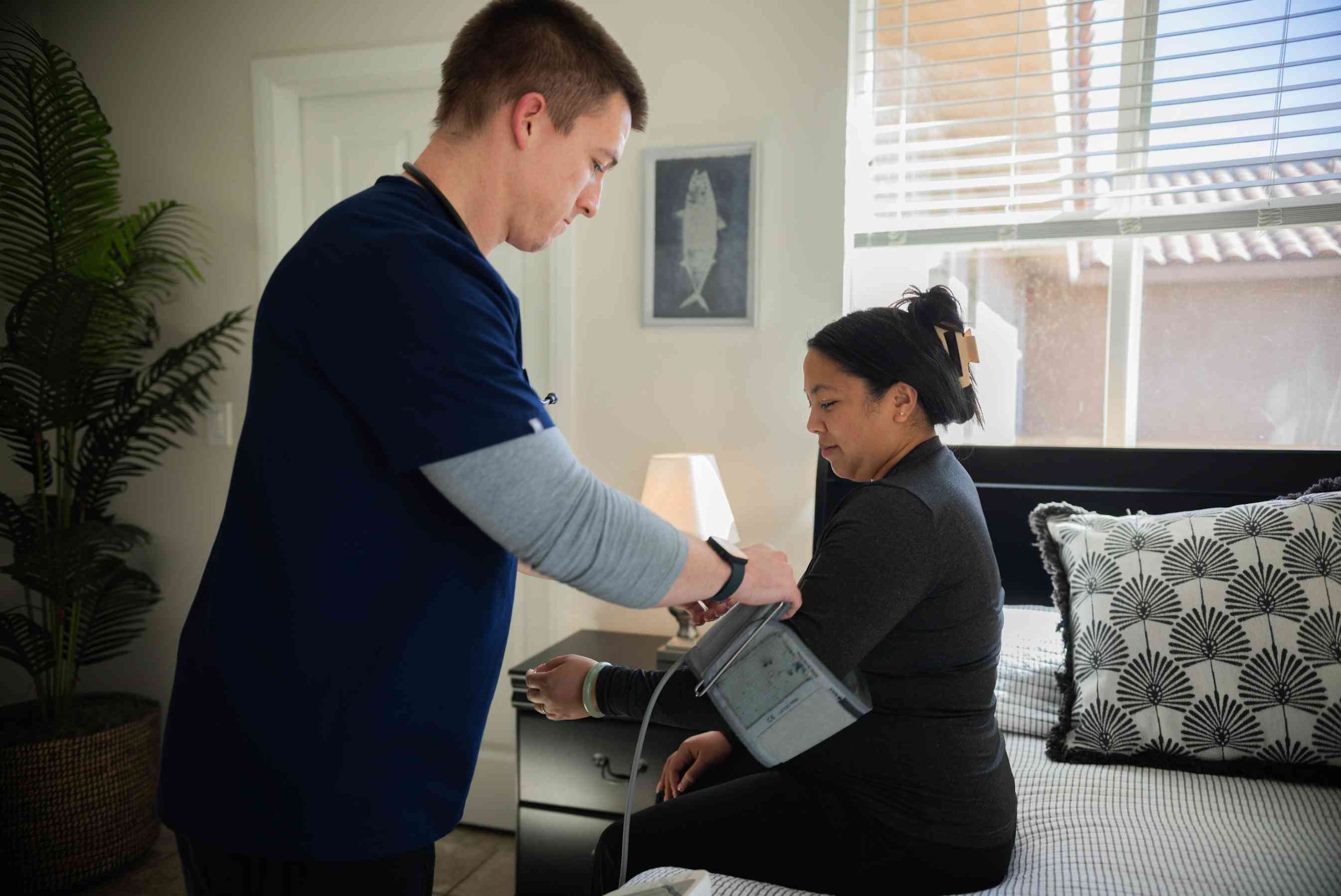
Throughout each phase, physicians and nursing staff monitor vital signs and adjust medications as needed. You are never left to manage withdrawal alone. The goal is not just safety — it is comfort and dignity throughout the entire process.
"The first night I was genuinely surprised. I expected it to be clinical and isolating. Instead I had a nurse checking on me every hour. I felt like I was in the best possible hands."
— Former Patient, LDO Affiliated Facility

How Long Does Detox Take?

There is no universal timeline. The duration of detox is shaped by the substance involved, how long it has been used, and individual physiology. Most medical detox programs last between five and fourteen days.

It is natural to want certainty around timing — especially for executives and professionals managing complex responsibilities. An experienced admissions advisor can give you a realistic range based on your specific situation during a confidential intake call.
Throughout each phase, physicians and nursing staff monitor vital signs and adjust medications as needed. You are never left to manage withdrawal alone. The goal is not just safety — it is comfort and dignity throughout the entire process.
Substance
Typical Detox Duration
Peak Withdrawal Window
Alcohol
5–10 days
24–72 hours after last drink
Opioids (short-acting)
5–7 days
24–48 hours after last use
Opioids (long-acting / methadone)
10–20 days
36–72 hours after last use
Benzodiazepines
10–14 days
2–4 days after last dose
Stimulants (cocaine, methamphetamine)
7–14 days
First 24–72 hours
02

Duration

03

Comfort & Safety

Is Detox Painful?

This is the question most people hesitate to ask — and the one that most prevents people from seeking help. The honest answer is that withdrawal can be deeply uncomfortable, but it does not have to be suffered through.

Medically supervised detox exists precisely to manage that discomfort safely. At LDO-affiliated facilities, physicians use evidence-based medication protocols to reduce the intensity of withdrawal symptoms significantly. The goal is not to eliminate the process — it is to make it as tolerable and dignified as possible.
FDA-approved medications reduce withdrawal severity for alcohol, opioids, and benzodiazepines
Around-the-clock nursing ensures symptoms are addressed as they arise, not hours later
Nutritional support, hydration therapy, and comfort-focused care are standard protocol
Private, quiet rooms designed for rest — not clinical wards or shared spaces
Holistic comfort therapies — including massage and acupuncture — available to ease tension
The difference between withdrawing in a luxury medical facility and withdrawing without support is substantial. The medications available today, combined with experienced physicians who manage detox daily, have fundamentally changed what this experience can feel like.
"I spent years avoiding this because I was convinced it would be unbearable. What I wasn't told was that physicians can manage most of the worst symptoms. I wish I had known sooner."
— Former Patient, LDO Affiliated Facility

What Does Medically Supervised Mean?

The term "medically supervised detox" is used broadly — but not all programs provide the same level of physician involvement. Understanding what true medical oversight looks like helps you ask the right questions.

At LDO-affiliated facilities, physician supervision means your care plan is designed, monitored, and adjusted by a licensed physician — not delegated to non-clinical staff. Physicians conduct in-person evaluations, are available around the clock for urgent changes, and personally authorize every medication decision.
Physician-designed protocols — no cookie-cutter programs; your taper schedule is individualized
24/7 nursing coverage — licensed RNs and LPNs conduct regular vital sign checks and symptom assessments
On-call physician access — clinical escalations are handled by the physician, not a call center
Lab work and diagnostics — bloodwork and testing inform treatment rather than guessing
Transition planning — discharge is managed with continuity of care as the priority, not bed turnover
Questions worth asking any facility: Is the physician on-site or available by phone only? Who designs the medication taper — the physician or a general protocol? Are there licensed nurses on overnight? These answers reveal whether "medically supervised" is a standard of care or a marketing phrase.
04

Duration

Ready to Begin Your Recovery Journey?

Take the First Step—
We’ll Handle the Rest

Our admissions team is available 24/7 to provide confidential guidance, verify insurance, and coordinate placement in a setting that fits your needs.
Call Now: 619-655-3328