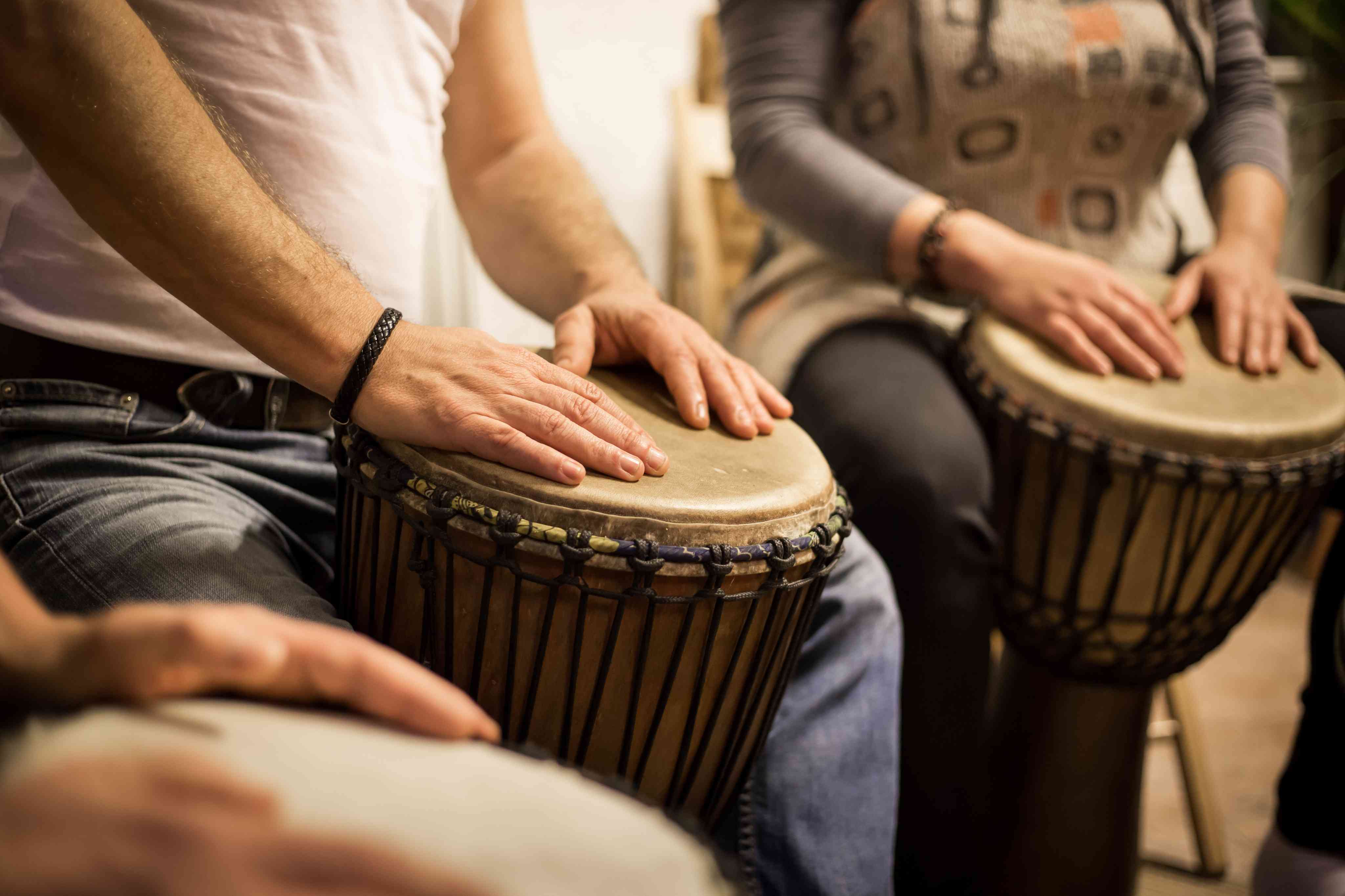
Music and sound therapy offer a gentle way to access emotion, regulate the nervous system, and reconnect with the body. Whether through active expression or passive listening, sound can soothe and shift internal patterns—without needing to explain a thing.
Todd
"
I went to a great program that had amazing staff, rooms, and food. I definitely recommend this program for yourself or loved ones who struggle with addiction.
"
Meadow
"
I loved this program so much. I had great connections with everyone here. This program is the 1st I’ve been to and stayed sober the whole time.
"
Francesca
"
These people saved my life! I will always be grateful for them.
"
Clayton
"
Amazing experience! All staff truly care, and love what they’re doing. Location and properties are gorgeous. I have been through many different detoxes and this is by far the best out there.
"
Maddison
"
Amazing groups and amazing staff. I really enjoyed my time and got a lot out of it.
"
Therapy Highlights
The Power of Sound in Early Recovery
In early recovery, connection can feel unfamiliar—but it’s also essential. Horses offer a unique form of feedback and presence that’s grounding, nonverbal, and emotionally safe.
Regulates nervous system
Sound helps shift from tension to calm, fast
Bypasses verbal blocks
Helps clients access emotion without talk therapy
Creates emotional safety
Familiar sound or rhythm can foster a sense of comfort
Flexible Approaches for a Range of Needs
Offered at select locations, music and sound therapy sessions may include sound baths, gentle movement, guided listening, or even live acoustic elements. Whether passive or participatory, the focus is always regulation—not performance.
Therapy Components
Rhythm, Rest, and Emotional Release
Music bypasses the thinking mind, offering emotional release and nervous system support in a gentle, nonverbal way. Whether through listening or light expression, sound can shift internal patterns with ease.
01
Sound Baths and Gentle Listening
Low-frequency tones and soft resonance help clients drop into rest and reduce internal agitation.
02
Musical Expression and Improvisation
At some locations, clients are invited to create sound—no experience needed—to process emotion or tension.
03
Integration with Other Therapies
Music and sound may be layered into bodywork, movement, or mindfulness to enhance emotional release.
"Sometimes the body hears what the mind isn’t ready to say."