Verify your Insurance619-655-3328
Home / Medical Detox / Benzodiazepine Detox

Benzodiazepine Detox Requires Careful Medical Tapering

Benzodiazepine withdrawal can be physically and neurologically complex. A medically supervised benzodiazepine detox program provides structured tapering, 24/7 monitoring, and clinical support to reduce risk and protect long-term stability.
Overview

What Is Benzodiazepine Detox?

Benzodiazepine detox is the process of safely reducing and discontinuing medications such as Xanax, Ativan, Klonopin, Valium, and similar drugs under medical supervision. Because benzos act directly on the central nervous system, stopping suddenly can trigger serious withdrawal symptoms — including seizures.


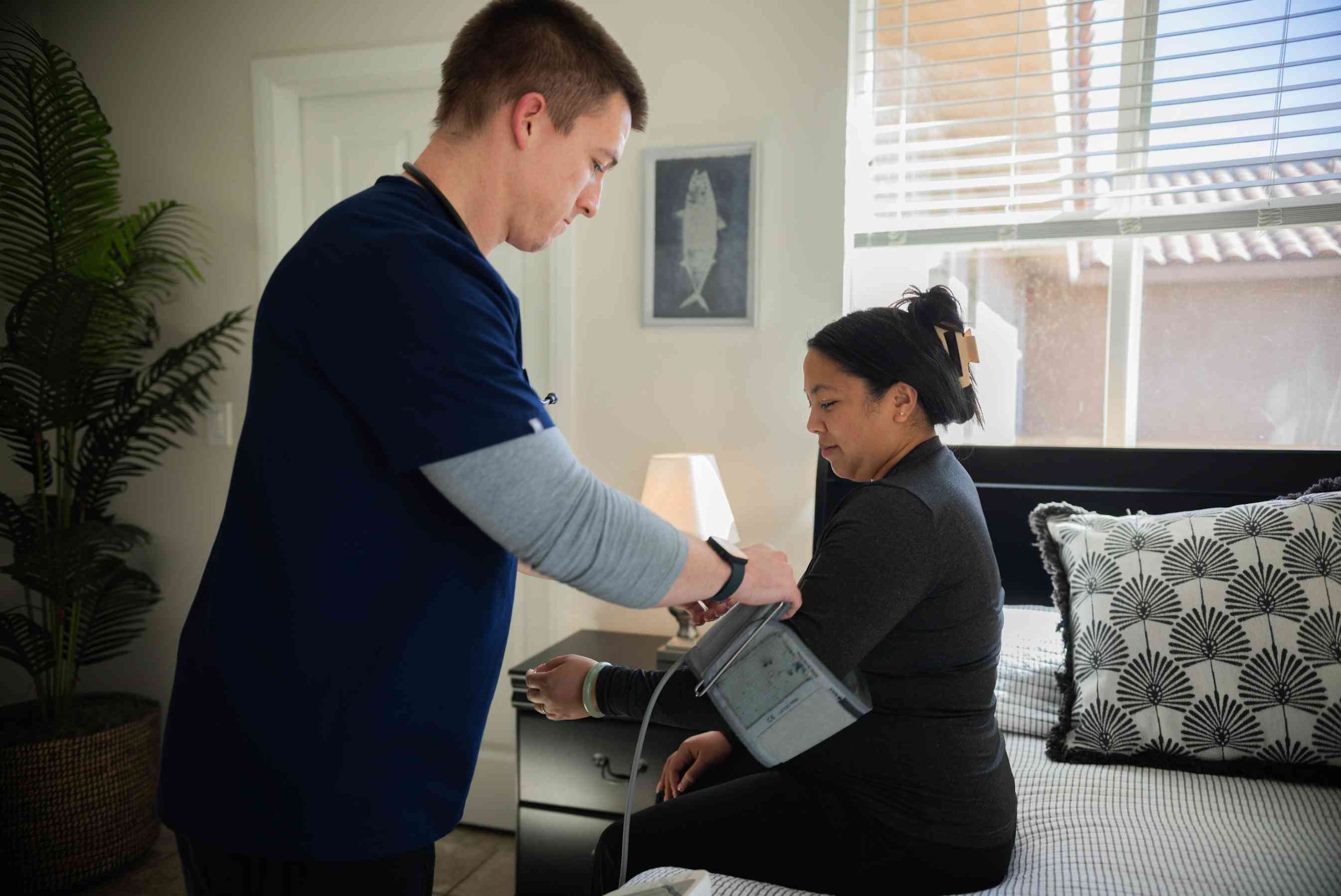
Unlike some substances, benzodiazepines often require a gradual taper, not abrupt cessation. A medically supervised detox setting allows clinicians to:
Stabilize dosage safely
Monitor vital signs and hydration
Monitor neurological symptoms
Manage rebound anxiety or insomnia
Reduce seizure risk
Detox is focused on stabilization — protecting both the body and brain during withdrawal.
Withdrawal breakdown

Benzodiazepine Withdrawal Symptoms and Timeline

Withdrawal symptoms depend on the type of benzodiazepine used (short-acting vs long-acting), dosage, duration, and whether other substances are involved. A medically supervised benzodiazepine detox program reduces the likelihood and severity of complications through structured tapering and continuous oversight.

Early Withdrawal

6–24 Hours after last use (for Short-Acting Benzos)
  • Increased anxiety
  • Irritability
  • Insomnia
  • Rapid heart rate
  • Sweating
  • Restlessness

Acute Withdrawal

Several Days to Weeks
  • Panic attacks
  • Tremors
  • Muscle stiffness
  • Heightened sensitivity to light or sound
  • Nausea
  • Cognitive fog
  • Seizures (in severe cases)

Protracted Withdrawal

Several Days to Weeks

Some individuals experience lingering symptoms known as post-acute or protracted withdrawal:

  • Ongoing anxiety
  • Sleep disruption
  • Mood instability
  • Concentration issues

Our Approach to Benzodiazepine Detox

Luxury Detox Options works with licensed detox facilities experienced in benzodiazepine taper protocols and neurological stabilization. Each placement is matched based on medication history, psychiatric background, and risk level. Our approach emphasizes:
Gradual, Structured Tapering
Most clients taper slowly to minimize seizure risk and severe withdrawal symptoms.
Psychiatric Support Integration
Mental health stabilization is prioritized during detox.
24/7 Clinical Monitoring
Vital signs and neurological symptoms are monitored continuously.
Private, Low-Stimulation Environments
Calm environments reduce sensory overload during withdrawal.
Seamless Transition Planning
Once stabilized, clients can continue into residential treatment or outpatient care.
Why Medical Detox

Why Medical Supervision Matters During Benzo Detox

Stopping benzodiazepines abruptly — especially after long-term or high-dose use — can be dangerous. The nervous system becomes dependent on the medication’s calming effects, and sudden removal can trigger hyperexcitability.
Medical detox is strongly recommended for individuals who:
Have taken benzos daily
Have used high doses
Have mixed benzos with alcohol or opioids
Have a history of seizures
Experience severe anxiety or panic without medication
In a supervised detox setting, clients receive:
Physician-guided taper schedules
24/7 monitoring of neurological symptoms
Medication support when appropriate
Management of rebound anxiety
Continuous clinical adjustment based on response
Detoxing from benzodiazepines is not simply about stopping — it’s about reducing safely and strategically.
Learn more about Chef-Prepared Dining
WHEN TO SEEK HELP

When Is Benzo Detox Necessary?

Benzodiazepine detox may be necessary if:
You feel unable to function without the medication
Your dosage has increased over time
You experience withdrawal between doses
You’ve tried to stop and felt severe anxiety or panic
You mix benzos with alcohol or opioids
A physician has recommended discontinuation
Learn More About Our Private Suites
If you’re unsure whether detox is required, our admissions team can help assess your situation confidentially.
Ready to Begin Your Recovery Journey?

You Don’t Have to Go 
Through It Alone

Detox can feel overwhelming — but you don’t have to navigate it without support. Our team is available 24/7 to provide confidential guidance, verify insurance, and coordinate placement in a medically appropriate setting.
Call Now: 619-655-3328
CO-OCCURRING DISORDERS

Benzodiazepine Detox and Mental Health

Benzodiazepines are often prescribed for anxiety, panic disorders, PTSD, and insomnia. During detox, those underlying symptoms can temporarily intensify as the brain recalibrates. This rebound effect is neurological — not personal — and requires thoughtful psychiatric oversight.

A medically supervised detox program supports both dependency and mental health stabilization through:

Psychiatric Evaluation

Assessment of anxiety, mood, and trauma-related symptoms

Medication review

Safe transition planning to non-addictive alternatives when appropriate

Anxiety stabilization

Safe transition planning to non-addictive alternatives when appropriate

Integrated treatment planning

Structured interventions to restore rest patterns

Integrated aftercare planning

Coordinated next steps for continued mental health care
FAQ

Benzo Detox FAQs

How long does benzodiazepine detox take?

Detox length varies. Some tapers last several days, while others require a longer, structured reduction depending on dosage and duration of use.

Is benzodiazepine withdrawal dangerous?

Yes — especially if stopped abruptly. Seizures and severe neurological symptoms can occur without medical supervision.

Can I stop taking Xanax or Ativan on my own?

Stopping suddenly is not recommended. A medically supervised taper significantly reduces risk.

Will I receive medication during detox?

In many cases, clinicians use structured taper protocols or adjunct medications to reduce withdrawal severity and seizure risk.

What happens after detox?

Clients typically transition into residential treatment, therapy, or psychiatric follow-up to address underlying anxiety and support long-term recovery.
Still have questions? Give us a call today:
619-655-3328