Withdrawal from opioids can be physically intense and emotionally overwhelming. A medically supervised opioid detox program provides around-the-clock care, medication-assisted support when appropriate, and a safe path toward stabilization.
Overview
What Is Opioid Detox?
Opioid detox is the process of clearing opioids from the body while managing withdrawal symptoms in a medically supervised setting. This includes substances such as Heroin, Fentanyl, Oxycodone (OxyContin), Hydrocodone (Vicodin), Morphine, and prescription painkillers.
Opioids attach to receptors in the brain that regulate pain and reward. Over time, the body becomes dependent on their presence. When use stops, the nervous system reacts — often intensely.
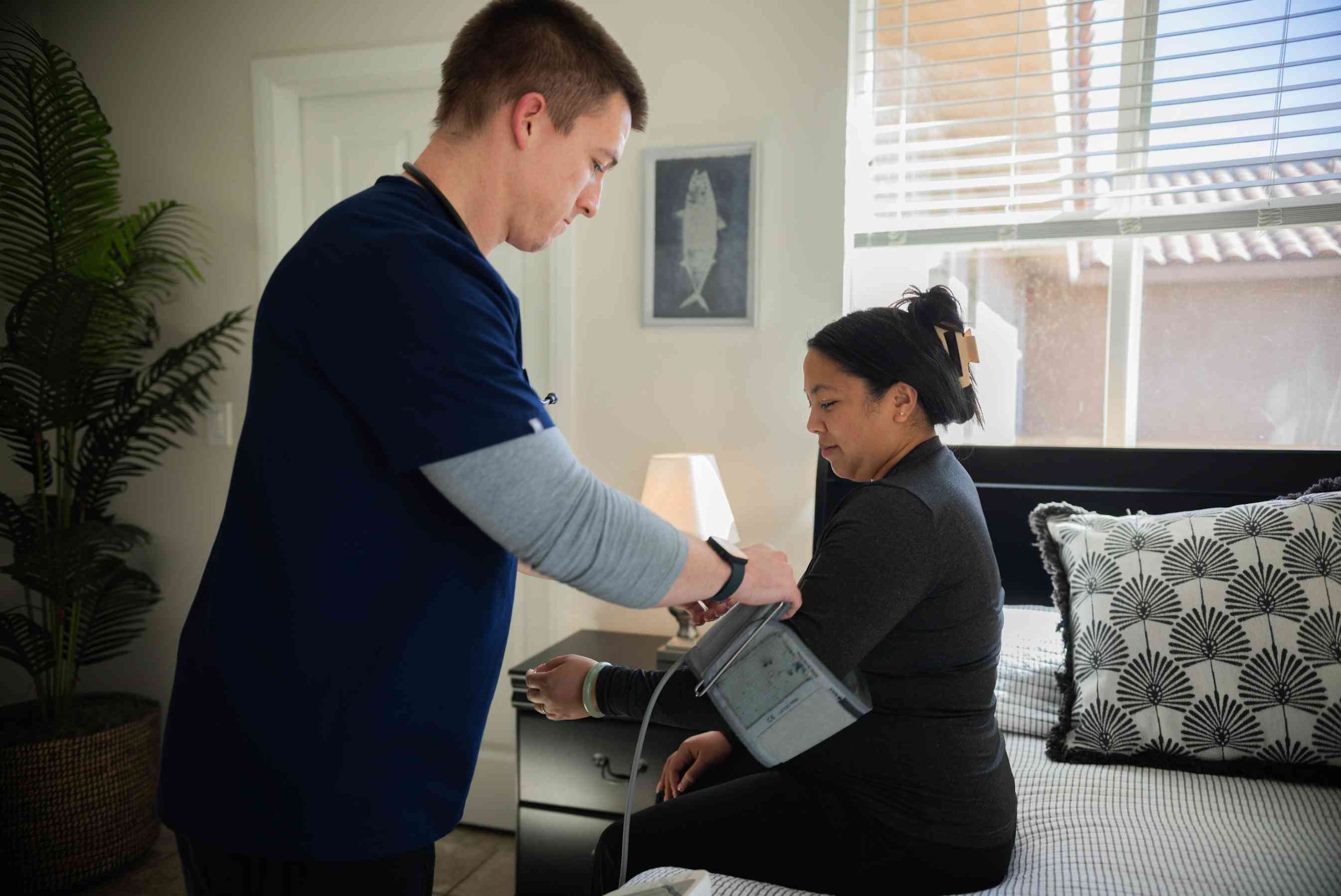
A medically supervised opioid detox program helps:
Manage severe physical discomfort
Reduce dehydration and exhaustion
Stabilize heart rate and blood pressure
Provide medication-assisted treatment (MAT) when appropriate
Lower the risk of immediate relapse
Detox is the first step — focused on safe stabilization before ongoing treatment begins.
Withdrawal breakdown
Opioid Withdrawal Symptoms and Timeline
Opioid withdrawal is rarely life-threatening, but it can feel severe enough to drive relapse without structured support. Symptoms vary depending on the type of opioid used (short-acting vs long-acting), dosage, and duration of use. While opioid withdrawal is not typically fatal, dehydration, relapse risk, and emotional instability make medical detox strongly recommended.
Early Withdrawal
6–12 Hours after last use (for Short-Acting Opioids)
Muscle aches
Anxiety
Sweating
Yawning
Runny nose
Restlessness
Peak Withdrawal
Days 1-3
Nausea and vomiting
Diarrhea
Abdominal cramping
Dilated pupils
Elevated heart rate
Insomnia
Intense cravings
Late-Stage Symptoms
Days 4–7+
Fatigue
Depression
Sleep disruption
Persistent cravings
Our Approach to Opioid Detox
Luxury Detox Options works with licensed detox facilities experienced in opioid withdrawal management and medication-assisted treatment protocols.
Medication-Assisted Stabilization
When clinically appropriate, medications may be used to ease withdrawal severity and reduce cravings.
Continuous Clinical Monitoring
Vital signs and symptoms are monitored around the clock.
Comfort-Focused Care
Managing nausea, sleep disruption, and physical pain during detox.
Private, Structured Settings
Clear next steps into residential treatment, therapy, or longer-term medication-assisted recovery.
Transition Planning
Clients move seamlessly into residential treatment or structured recovery support.
Why Medical Supervision Matters During Opioid Detox
The discomfort of opioid withdrawal is one of the primary drivers of relapse. Many individuals return to use simply to stop the physical pain. In addition, tolerance drops quickly during detox, which significantly increases overdose risk if relapse occurs at previous doses.
Medical detox is especially recommended for individuals who:
Use opioids daily or multiple times per day
Have increased dosage over time
Use fentanyl or high-potency opioids
Mix opioids with alcohol or benzodiazepines
Have experienced a prior overdose
Have underlying medical or mental health conditions
In a medically supervised detox setting, clients receive:
24/7 clinical monitoring
Medication-assisted treatment
Hydration and nutritional support
Symptom-specific medications for nausea, pain, and insomnia
Emotional stabilization during cravings
Medical supervision reduces relapse risk, improves comfort, and provides a safer foundation for long-term recovery.
If you’re unsure whether detox is required, our admissions team can help assess your situation confidentially.
Ready to Begin Your Recovery Journey?
You Don’t Have to Go Through It Alone
Detox can feel overwhelming — but you don’t have to navigate it without support. Our team is available 24/7 to provide confidential guidance, verify insurance, and coordinate placement in a medically appropriate setting.
Many individuals struggling with opioid dependence also experience co-occurring mental health conditions such as depression, anxiety, trauma, or chronic pain. In some cases, opioids were initially prescribed for legitimate medical reasons before dependence developed.
During detox, emotional symptoms may intensify as the brain adjusts to the absence of opioids. Clinical support helps stabilize mood and reduce relapse vulnerability.
A medically supervised opioid detox program supports mental health through:
Psychiatric screening
Evaluation for depression, trauma, or anxiety
Craving management support
Structured interventions to reduce relapse risk
Pain assessment
Safe evaluation of underlying chronic pain conditions
Medication review
Assessment of prior prescriptions and treatment history
Integrated aftercare planning
Coordinated next steps for continued recovery
FAQ
Opioid Detox FAQs
Is opioid withdrawal dangerous?
While typically not life-threatening on its own, opioid withdrawal can be extremely uncomfortable and carries high relapse and overdose risk without supervision.
How long does opioid detox take?
Acute withdrawal typically lasts 5–7 days, though cravings and mood changes may continue beyond that period.
Will I receive medication during detox?
In many cases, medication-assisted treatment (MAT) such as buprenorphine may be used to reduce withdrawal severity and cravings.
Can I detox from opioids at home?
Home detox often leads to relapse due to symptom severity. Medical supervision improves comfort and safety.
What happens after detox?
Detox is only the first step. Continued treatment — residential, outpatient, or medication-assisted recovery — significantly improves long-term outcomes.