Verify your Insurance619-655-3328
Home / Medical Detox / Alcohol Detox

Alcohol Detox in a Safe, Medically Supervised Setting

Alcohol withdrawal can be uncomfortable — and in some cases, dangerous without proper medical care. Our medically supervised alcohol detox placements provide 24/7 clinical oversight in licensed facilities designed for safety, stabilization, and comfort.
Overview

What Is Alcohol Detox?

Alcohol detox is the process of clearing alcohol from the body while managing withdrawal symptoms in a controlled, medically supervised environment. When someone has been drinking heavily or consistently, the body becomes physically dependent on alcohol. Stopping suddenly can trigger a range of symptoms — from mild anxiety and tremors to more serious complications like seizures or delirium tremens (DTs).

A medically supervised alcohol detox program helps:
Stabilize the body safely
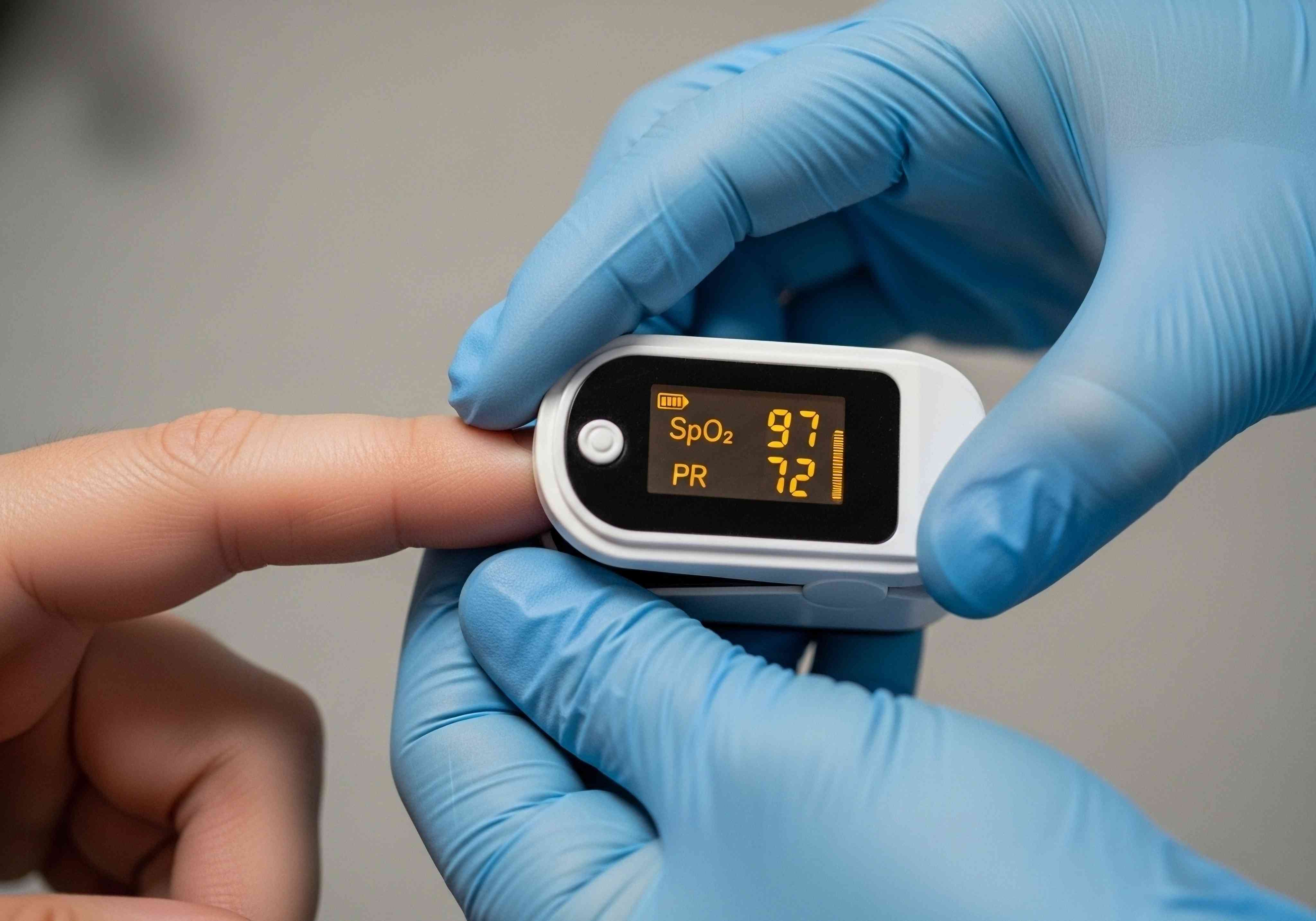
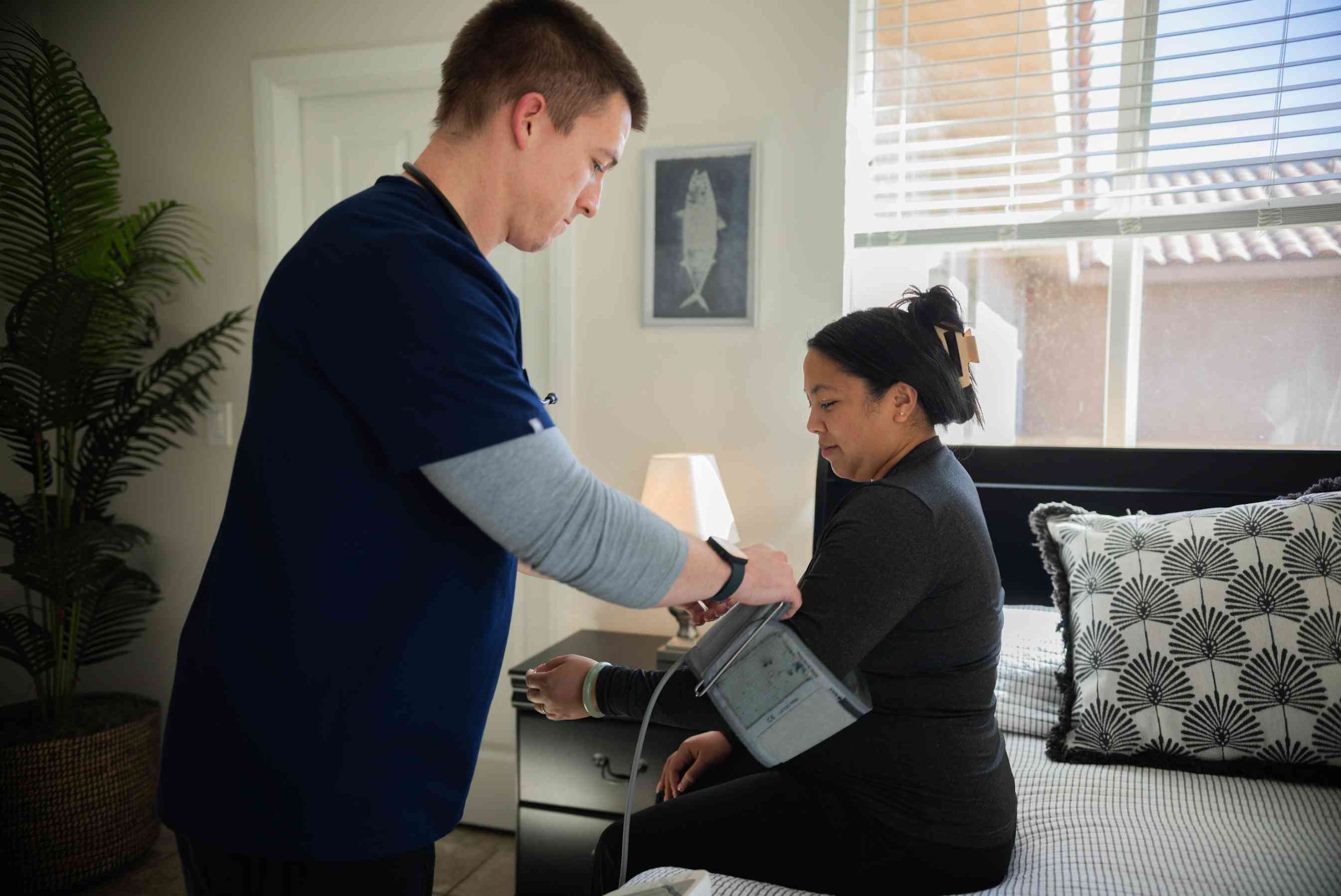
Monitor vital signs 24/7
Reduce the risk of severe complications
Provide medication when clinically appropriate
Ease discomfort during withdrawal
Detox is the first step in recovery — focused on safety and physical stabilization before deeper therapeutic work begins.
Withdrawal breakdown

Alcohol Withdrawal Symptoms and Timeline

Alcohol withdrawal symptoms vary depending on how long and how heavily someone has been drinking, as well as their overall health history. A structured detox environment helps manage both the immediate and short-term effects of withdrawal safely.

Early Withdrawal

6–12 Hours after last use
  • Anxiety or restlessness
  • Headache
  • Nausea or vomiting
  • Sweating
  • Insomnia
  • Tremors (shaking)

Peak Withdrawal

Days 2–5
  • Elevated blood pressure
  • Increased heart rate
  • Confusion
  • Severe agitation
  • Hallucinations
  • Seizures (in some cases)

Post-Acute

Several Days to Weeks

After the acute phase, some individuals may experience lingering symptoms such as:

  • Sleep disturbances
  • Mood swings
  • Irritability
  • Fatigue
  • Brain fog

Delirium Tremens (DTs)

In rare but serious cases, alcohol withdrawal can lead to delirium tremens — a medical emergency characterized by severe confusion, hallucinations, fever, and cardiovascular instability. This is why medical supervision during alcohol detox is strongly recommended.

Our Approach to Alcohol Detox

Luxury Detox Options works with licensed detox facilities across the country that specialize in safe alcohol withdrawal management. Each placement is selected based on clinical need, privacy preferences, and level of medical complexity. Our approach prioritizes:
Individualized Detox Planning
Every detox protocol is tailored based on drinking history, health background, and risk factors.
24/7 Clinical Oversight
Detox-trained staff monitor symptoms continuously to ensure safety and comfort.
Medication-Assisted Support
When appropriate, medications may be used to reduce seizure risk, manage anxiety, and ease physical discomfort.
Private, Low-Stimulation Environments
Many of our partner facilities offer private accommodations designed to support rest and stabilization.
Seamless Transition to Ongoing Care
Once stabilized, clients can transition directly into residential treatment or continued therapeutic support.
Why Medical Detox

Why Medical Supervision Matters During Alcohol Detox

Alcohol withdrawal can escalate quickly. Attempting to detox at home without medical oversight increases the risk of complications, especially individuals who:
Drink daily or heavily
Have experienced withdrawal before
Have a history of seizures
Have underlying medical conditions
Use other substances alongside alcohol
In a medically supervised alcohol detox setting, clients receive:
Continuous vital monitoring
Access to detox-trained nurses and physicians
Medication-assisted protocols when needed
Immediate response to complications
Structured hydration and nutritional support
Medical detox is not about enduring discomfort — it’s about stabilizing safely and reducing risk.
Learn more about Chef-Prepared Dining

When Is Alcohol Detox Necessary?

Alcohol detox may be necessary if:
You experience shaking or anxiety when not drinking
You drink daily or in large quantities
You’ve experienced withdrawal symptoms previously
Loved ones are concerned about your drinking
Your health is beginning to decline
Learn More About Our Private Suites
If you’re unsure whether detox is required, our admissions team can help assess your situation confidentially.
Ready to Begin Your Recovery Journey?

You Don’t Have to Go 
Through It Alone

Detox can feel overwhelming — but you don’t have to navigate it without support. Our team is available 24/7 to provide confidential guidance, verify insurance, and coordinate placement in a medically appropriate setting.
Call Now: 619-655-3328
CO-OCCURRING DISORDERS

Alcohol Detox and Mental Health

Many individuals seeking alcohol detox also experience underlying mental health conditions such as anxiety, depression, or trauma-related symptoms. During withdrawal, these issues can temporarily intensify as the body and brain adjust to the absence of alcohol. This fluctuation is common — and best managed in a structured clinical setting.

A medically supervised detox program supports both physical stabilization and emotional health through:

Mental health screening

Assessment for anxiety, depression, or co-occurring disorders

Mood stabilization support

Monitoring emotional shifts during withdrawal

Sleep regulation

Structured interventions to address insomnia or rest disruption

Medication management

Careful review of psychiatric medications when appropriate

Integrated transition planning

Clear next steps for continued therapy or residential care
Learn More About Co-Occurring Disorders
FAQ

Alcohol Detox FAQs

How long does alcohol detox take?

Most alcohol detox programs last between 3–7 days, depending on severity and medical history.

Is alcohol withdrawal dangerous?

It can be. While many symptoms are mild to moderate, complications such as seizures or delirium tremens can occur without medical supervision.

Can I detox from alcohol at home?

Detoxing at home is not recommended for heavy or long-term drinkers due to potential medical risks. Clinical monitoring significantly improves safety.

Will I receive medication during detox?

If clinically appropriate, medications may be administered to reduce seizure risk, anxiety, insomnia, or severe discomfort.

What happens after detox?

Detox is the first step. Many individuals transition into residential treatment, therapy, or structured recovery programming for continued support.
Still have questions? Give us a call today:
619-655-3328